




BLOGSDETAILS
What causes high pressure drop in baghouse dust collector?
Author:hanzhe Time:2026-08-22 08:54:10 Click:125
Pressure drop reflects the flow resistance inside a baghouse dust collector.Excessively high pressure drop reduces system air volume,increases fan power consumption,and weakens overall dust‑collection performance.High differential pressure originates from filter bag conditions,cleaning system faults,flue‑gas properties and improper operation‑management.The main root causes are listed below.
1.Filter bags are blocked or over‑coated with dust cake
Excessively thick dust cake accumulates on filter bag surfaces when cleaning cycles fail to remove dust thoroughly.Sticky,hygroscopic dust adheres tightly to fiber pores and cannot be shaken off during pulse‑jet cleaning.Fine particles penetrate into the inner depth of filter felt and cause permanent pore clogging.Once filter media pores are plugged,airflow resistance rises sharply.
**2.Malfunction of the pulse‑jet cleaning system
Insufficient compressed‑air pressure leads to weak blowing force,so dust cake cannot be effectively dislodged.Blocked or damaged pulse valves,leaking diaphragms,clogged nozzles and misaligned blow tubes reduce cleaning effectiveness.Improper cleaning parameters also contribute:too‑long cleaning intervals,too‑short pulse duration,or only partial compartments being cleaned.Even intact filter bags will build heavy dust loading if cleaning cannot function normally.
3.Filter bag damage,mis‑installation and cage problems
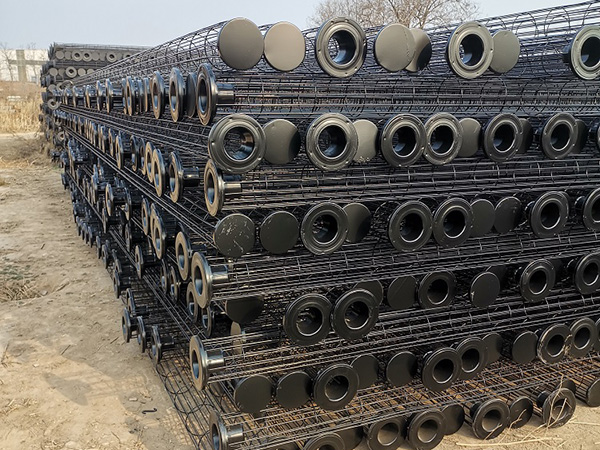
Filter bags may shift,wrinkle or twist due to poor installation.Misaligned filter bags create gaps and abnormal dust accumulation.Deformed,corroded or broken support cages cause filter bag collapse and creases;creased zones trap dust and raise local resistance.If filter bags are not fully expanded,uneven dust distribution will push up overall pressure drop.
4.Flue gas moisture,condensation and paste‑bag phenomenon
When flue‑gas temperature drops below the dew point,water vapour condenses inside the baghouse.Mixed with dust,wet mud‑like substances stick firmly onto filter‑bag surfaces,resulting in paste‑bag fault.This situation frequently occurs during startup‑shutdown cycles,heat loss of housing insulation,or excessive moisture in process exhaust gas.Wet dust cake is difficult to clean and creates very high flow resistance.
5.Improper air‑to‑cloth ratio
Operating airflow exceeds the designed handling capacity.Too high air‑to‑cloth ratio means each square meter of filter media bears excessive gas throughput.Dust presses tightly against filter‑bag surfaces,forming dense,compact dust cake.Pressure drop keeps rising even if the cleaning system works normally.
6.Internal structure blockage and ash‑removal failure
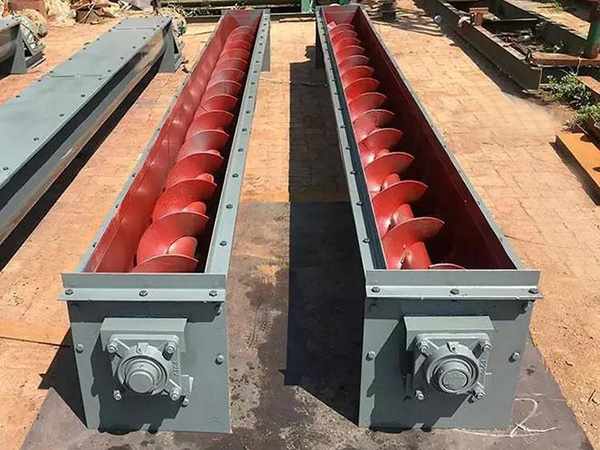
Dust accumulates inside hoppers because rotary airlock valves or screw conveyors stop working.Overfilled hopper dust may touch the bottom of filter bags,blocking partial filter area.Build‑ups of dust on baffles,ductwork and internal partitions also narrow gas‑flow passages and increase system resistance.
7.Filter bag material and surface treatment mismatch
Selected filter media does not adapt to actual dust characteristics.For fine and sticky dust,ordinary needle‑felt without PTFE membrane treatment easily gets blocked.Filter‑media with excessively small original pore size will bring inherently high initial pressure drop.
Common troubleshooting logic
Observe differential pressure change trend first.Check pulse‑jet pressure,pulse interval and pulse width.Inspect for dew‑point condensation and paste‑bags.Verify hopper ash‑discharge status and actual operating air volume.Examine filter bags and cages.Adjust operating parameters or replace unsuitable filter media according to site conditions.
References
GB/T 7714‑2015
[1]AUTHOR.Article Title[J].Journal Name,Year,Volume(Issue):Pages.DOI.
APA 7th
Author.(Year).Article title.*Journal Name*,*Volume*(Issue),Pages.DOI.
MLA 9th
Author."Article Title."*Journal Name*,vol.Volume,no.Issue,Year,p.Pages.DOI.
 HOT PRODUCT
 CONTACT US