




BLOGSDETAILS
Why Choose a Professional Dust Collection System Manufacturer
Author:hanzhe Time:2026-09-11 12:08:15 Click:141
The Difference Between a Manufacturer and an Equipment Reseller
Industrial buyers procuring dust collection equipment frequently encounter two categories of supplier: manufacturers who design and build dust collection systems in their own production facilities, and resellers who purchase finished equipment from third-party factories and rebrand it under their own catalog names. While resellers may offer competitive pricing on commodity products, they typically lack the engineering depth, application expertise, and quality assurance infrastructure that demanding manufacturing environments require.
A dust collection system manufacturer maintains in-house engineering capabilities — including mechanical, process, and electrical engineering staff — and can provide custom ductwork routing, system sizing calculations, and performance guarantees that resellers cannot support. For facilities where dust collector failure results in production downtime, worker exposure incidents, or regulatory citations, the marginal cost difference between a manufacturer-sourced system and a reseller product is rarely the decisive factor.
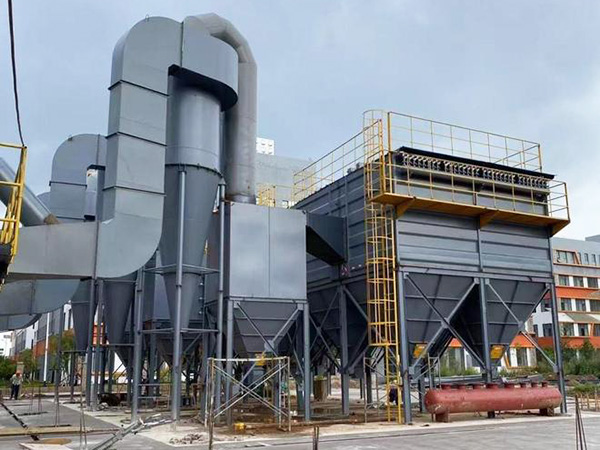
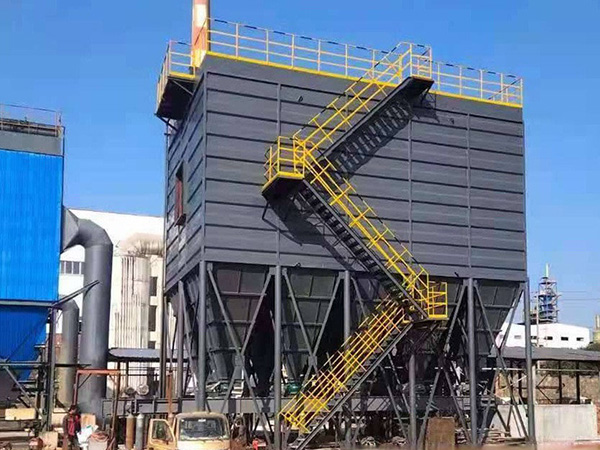
Engineering and Application Support
The most significant advantage of working directly with a dust collection equipment manufacturer is access to application-specific engineering before the order is placed. A reputable manufacturer will conduct a detailed air volume and pressure loss analysis for each customer installation — accounting for the duct routing, number and type of pickup points, material bulk density, and process ventilation requirements — rather than selecting a catalog dust collector based on airflow alone.
This engineering approach is particularly important for the following application categories:
Combustible dust environments — aluminum, magnesium, titanium, and certain polymer dusts require dust collectors designed and rated per NEC Article 500.5 (Class II) or NFPA 654 (Standard for the Prevention of Fire and Dust Explosions from the Manufacturing, Processing, and Handling of Combustible Particulate Solids), with spark detection and suppression systems, explosion venting (rupture disks), and spark-resistant impellers.
High-temperature processes — applications such as forge ventilation, sintering, and ceramic kiln exhaust expose dust collection equipment to airstream temperatures exceeding 400°F (204°C), requiring specialized high-temperature filter media, thermal insulation, and housing materials.
Abrasive or fibrous dusts — woodworking, composite manufacturing, and mineral processing generate dusts that accelerate filter media abrasion or cause fiber entanglement; manufacturers can specify reinforced filter media, pre-separation cyclones, and abrasion-resistant housing linings.
Pharmaceutical and food-grade applications — these industries require dust collectors constructed from 304/316 stainless steel with FDA-compliant filter media, CIP (clean-in-place) systems, and validation documentation packages for regulatory submissions.
Verifiable Performance Data and Third-Party Certification
A credible dust collection system manufacturer backs its equipment specifications with third-party testing data rather than manufacturer-generated performance curves alone. Key certifications and test standards that procurement teams should request include:
ASHRAE 52.2 or EN ISO 16890 filter efficiency ratings verified by an independent laboratory, not self-certified.
AMCA (Air Movement and Control Association) certified airflow ratings for fan performance, ensuring that the quoted airflow and static pressure figures represent actual measured performance rather than theoretical calculations.
ISO 9001:2015 quality management system certification for the manufacturing facility, providing documented evidence of weld procedure qualification, non-destructive testing protocols, and material traceability.
For explosion-rated equipment, ATEX or IECEx certification and documentation of compliance with NFPA 68 (deflagration venting) or NFPA 69 (explosion prevention systems).
Filter Media Selection and Technical Expertise
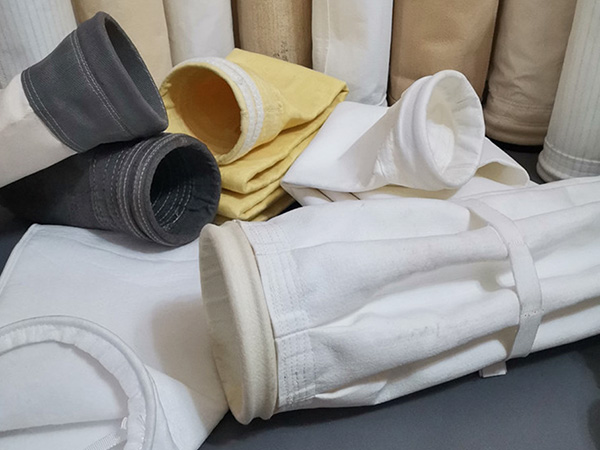
The filter medium is the functional core of any dust collector, and its selection is application-specific. A knowledgeable baghouse manufacturer will specify filter media based on the physical and chemical properties of the dust rather than defaulting to standard polyester felt. Critical media selection parameters include:
Maximum continuous operating temperature — cellulose, polyester, and acrylic media are limited to 275°F–300°F (135°C–150°C); aramid (Nomex) media to 400°F (204°C); fiberglass to 500°F–750°F (260°C–400°C) depending on coating; and PTFE membrane media to 500°F (260°C) with exceptional chemical resistance.
Chemical resistance — media must resist degradation from moisture, acids, alkalis, and oxidative compounds in the airstream. Polypropylene and PTFE membranes are preferred for acidic or caustic dust environments.
Filtration surface area and media ratio — higher media area per unit airflow reduces air-to-cloth ratio, extends filter life, and lowers operating pressure drop. A manufacturer willing to engineer custom filter configurations demonstrates application understanding that resellers typically lack.
Installation, Commissioning, and After-Sales Support
Proper system commissioning is essential to dust collector performance, yet it is frequently underweighted in procurement decisions. A capable custom dust collection engineering manufacturer will provide on-site or remote commissioning support including fan speed verification, airflow balance measurements across pickup points, filter installation inspection, and system leak testing. Without commissioning, even correctly sized equipment can deliver only 60–70% of rated performance due to ductwork leakage, incorrect rotation, or improper filter installation.
After-sales support is another meaningful differentiator. Manufacturers who stock spare filter elements, diaphragm valves, and controller boards can ship replacement parts within 24–48 hours — a critical capability for facilities where dust collector downtime halts production. Resellers, who typically hold no inventory and order from the same factories as competitors, face longer lead times and limited technical troubleshooting capability.
Conclusion
Selecting a professional dust collection system manufacturer rather than a general equipment reseller is a decision that pays compounding dividends throughout the equipment lifecycle. The engineering support during specification and sizing, the accountability provided by verifiable third-party performance certifications, the application expertise for challenging environments such as combustible dust and high-temperature processes, and the spare parts availability and commissioning support after installation all contribute to lower total cost of ownership and more reliable long-term performance. Procurement teams should request manufacturer facility audits, reference installations in similar applications, and detailed performance guarantees as standard elements of their vendor qualification process.
Frequently Asked Questions
What certifications should a dust collection system manufacturer hold?
A reputable manufacturer should hold ISO 9001:2015 quality management certification for its manufacturing facility. For equipment destined for hazardous environments, request ATEX or IECEx certification for explosion-rated collectors and NFPA compliance documentation. Fan performance should be backed by AMCA-certified airflow ratings from an independent testing laboratory.
How do I know if a dust collector is properly sized for my application?
Proper sizing requires a complete engineering analysis including the number and type of pickup points, duct routing, total static pressure loss, and the bulk density and particle size distribution of the target dust. Request that your manufacturer perform this calculation — not just airflow selection — before quoting. Systems selected without static pressure analysis frequently undersize the fan and fail to maintain capture velocity at the most distant pickup points.
What is the typical lead time for a custom dust collection system?
Standard cartridge dust collectors and baghouse systems from manufacturers typically ship within 6–10 weeks from order confirmation for standard configurations. Fully custom systems — including stainless steel construction, explosion-rated configurations, and high-temperature designs — may require 14–20 weeks including engineering design review, fabrication, and quality inspection. Verify lead times during vendor qualification, as resellers typically have less visibility into actual production schedules.
How does a manufacturer handle combustible dust applications?
For combustible dust environments, manufacturers should provide dust collectors rated for Class II hazardous locations per NEC Article 500.5, with spark detection and suppression systems, explosion venting per NFPA 68, and appropriate bonding and grounding to prevent electrostatic ignition. The manufacturer should also provide an ignition hazard assessment per NFPA 654 and recommend appropriate filter media and collector construction for the specific dust characteristics involved.
What post-installation support should I expect from a dust collection equipment manufacturer?
Expect the manufacturer to provide on-site or remote commissioning services including airflow measurement and balance, filter installation inspection, and control system verification. Ask whether the manufacturer stocks spare parts and what the typical response time is for critical spare delivery. A manufacturer who provides detailed operation and maintenance manuals, including filter change procedures, cleaning schedules, and troubleshooting guides, demonstrates long-term product support commitment.
References
National Fire Protection Association. "Standard for the Prevention of Fire and Dust Explosions from the Manufacturing, Processing, and Handling of Combustible Particulate Solids." NFPA 654, 2023 Edition. https://www.nfpa.org/codes-and-standards/nfpa-654-standard-development/654
National Electrical Code (NEC). "Classified Locations." Article 500, 2023 Edition. https://www.nfpa.org/codes-and-standards/nfpa-70-standard-development/70
NFPA. "Standard on Explosion Prevention Systems." NFPA 69, 2022 Edition. https://www.nfpa.org/codes-and-standards/nfpa-69-standard-development/69
NFPA. "Standard on Explosion Venting Protective Systems." NFPA 68, 2018 Edition. https://www.nfpa.org/codes-and-standards/nfpa-68-standard-development/68
Occupational Safety and Health Administration. "Combustible Dust National Emphasis Program." OSHA CPL 03-00-008, 2008 (Reissued 2023). https://www.osha.gov/etools/combustible-dust
 HOT PRODUCT
 CONTACT US