




BLOGSDETAILS
Top Factors When Selecting a Dust Collector Supplier
Author:hanzhe Time:2026-10-17 22:10:23 Click:50
Specifying a dust collector is only half the procurement decision. The other half is choosing who builds and supports it, because the equipment usually runs for years and the relationship extends through commissioning, spare parts and eventual upgrades. A supplier that asks the right questions and documents its assumptions is often a better long-term choice than the one with the lowest headline price and the thinnest supporting data. This guide sets out the factors a buyer can use to compare suppliers on a like-for-like basis.
Engineering Capability and Application Fit
The first test is whether the supplier actually designs to your duty. A competent supplier asks for dust data, capture points, airflow, temperature, moisture, dust loading and any combustible-dust classification before recommending a unit. If the first response is a catalogue number and a price, that is a signal about how the rest of the project will be handled. Engineering depth shows up in the assumptions behind the sizing — the assumed air-to-cloth ratio, the dust loading and the capture volume — rather than in the brochure.
Product Range and Type Coverage
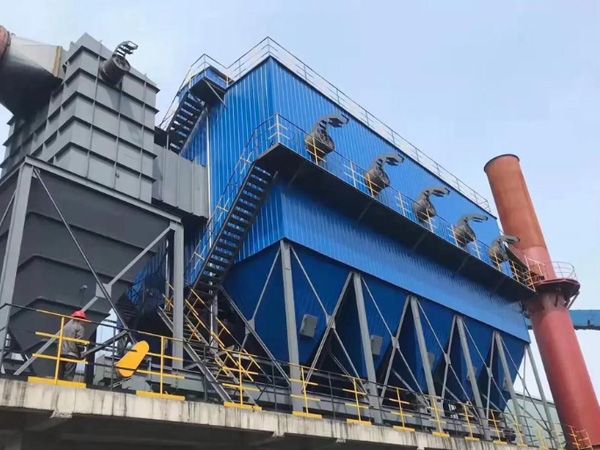
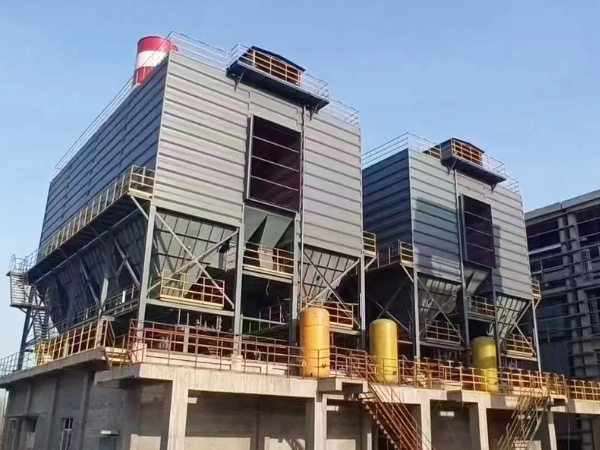
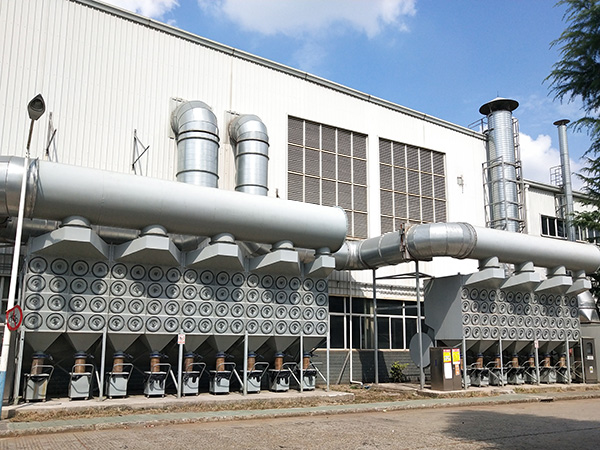
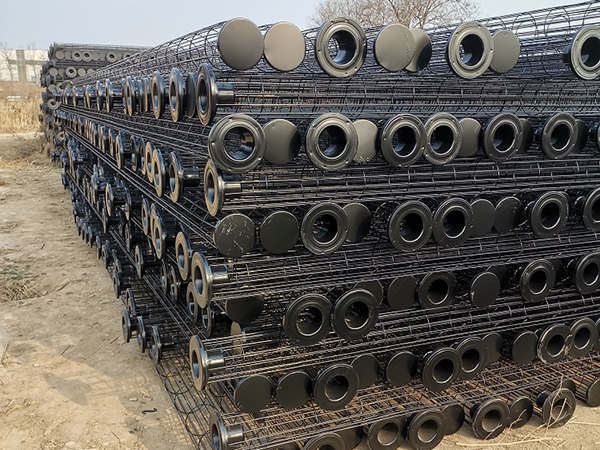
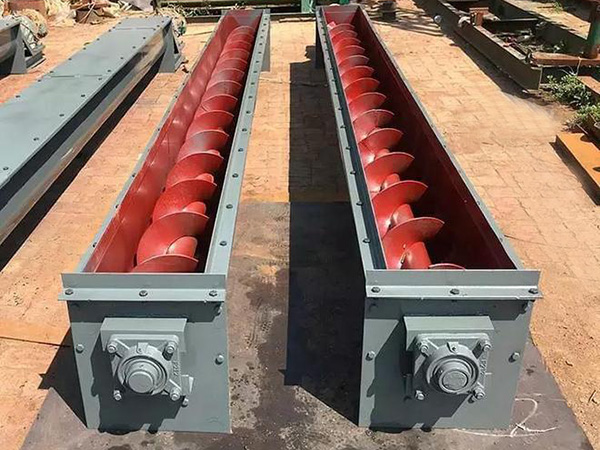
Suppliers tend to favour the technologies they build well. The practical question is whether their range covers the type your application actually needs: baghouse for high loading and heavy duty, cartridge for compact dry fine-dust duty, or source-capture units for point sources. A single-product supplier may still be excellent, but the buyer should confirm the recommendation matches the dust rather than the catalogue. The breadth of a supplier's offering is visible in its product centre, which ranges across baghouse and cartridge collectors, filter bags and cages, and conveying and valve components.
Customization and System Integration
Many demanding applications do not fit a standard unit. Where the process is unusual — hot gas, sticky or abrasive dust, tight space, integrated conveying — the supplier's ability to engineer a purpose-built configuration matters more than its standard list price. The difference between a catalogue answer and a designed answer is discussed in the article on custom dust collection solutions. Integration with existing ductwork, conveyors, controls and building structure should be confirmed, not assumed.
Compliance and Documentation
For an industrial buyer, documentation is part of the product. A complete offer should include a dimensioned general arrangement drawing, materials of construction, filter media specification with area and air-to-cloth ratio, cleaning system details, fan and motor data, and the assumptions used in sizing. Where emission limits or combustible-dust provisions apply, these should be documented explicitly rather than implied. Suppliers who cannot state their sizing assumptions have not really designed the system.
Manufacturing Quality and Quality Management
Quality shows in consistent materials, clean fabrication, proper surface preparation and testing. A supplier operating a recognized quality management system, such as ISO 9001, provides a baseline of process control, though certification alone is not a substitute for reviewing the actual build. Useful evidence includes material certificates, weld and coating specifications, and any factory acceptance testing the supplier routinely performs.
References and Track Record
Relevant experience in your industry or with your dust type is worth more than a long list of unrelated installations. A buyer can ask for references in similar applications and for the types of dust and duties handled. This should be handled carefully: specific customer names and project details are commercially sensitive, so a capable supplier will usually provide reference sectors and application types rather than named accounts.
After-Sales Support and Spare Parts
The relationship continues after commissioning. Practical points to establish are the availability and lead time of consumables such as filter bags and pulse valves, whether commissioning and operator training are included, the supplier's responsiveness for technical support, and whether spare parts are standardized or proprietary. A collector is only as maintainable as its supply of filters, cages and cleaning components, so the pulse jet valves and filter bags supply chain is part of the decision.
Commercial Factors and Total Cost of Ownership
Purchase price is one input, not the decision. The comparison should include energy consumption of the fan, compressed air for cleaning, media replacement frequency, wear-part cost, downtime risk and the cost of any compliance shortfall. Two offers at different prices may converge or reverse once operating cost and expected life are included. A supplier who can explain the cost drivers of its design is usually more useful than one who simply undercuts.
How to Run a Comparable RFQ
To compare suppliers fairly, the enquiry should be identical for each. Include the process and material, dust data, capture points and airflow, required efficiency and any emission limit, operating schedule, space and power constraints, discharge route, and documentation and spare-parts expectations. Standardizing the inputs prevents suppliers from optimizing to different assumptions and makes the returned offers genuinely comparable.
Warning Signs to Weigh
A recommendation arrived at before the dust data was requested.
No stated air-to-cloth ratio, dust loading or capture volume in the offer.
Media and consumable supply terms that are vague or proprietary without alternatives.
Compliance or explosive-atmosphere requirements dismissed rather than addressed.
A price far below comparable offers with no clear engineering reason.
Thin documentation and no defined commissioning or support scope.
None of these is automatically disqualifying, but together they indicate where the risk — and often the eventual cost — sits.
FAQ
What should I ask a dust collector supplier before requesting a quote?
Provide the dust characteristics, capture points and airflow, temperature and moisture, required efficiency or emission limit, operating schedule, space and power constraints, and the discharge route. In return, ask for the sizing assumptions, the filter media specification, materials of construction and the spare-parts and support scope. The quality of those answers is the main signal of supplier competence.
Is the lowest price the best choice for a dust collector?
Not usually. Purchase price excludes fan energy, compressed-air consumption, media replacement and downtime, which dominate the long-run cost. Two offers should be compared on total cost of ownership and on the quality of the engineering behind them, not on price alone.
How important is supplier experience with my specific dust?
It is significant where the dust is sticky, abrasive, hot, combustible or otherwise non-standard, because those conditions decide construction, media and cleaning. Relevant application experience reduces the risk of an underperforming design, while a standard unit forced onto a difficult duty is a common source of failure.
What documentation should a dust collector offer include?
At minimum: a general arrangement drawing, materials of construction, filter media specification with area and air-to-cloth ratio, cleaning system details, fan and motor data, and the sizing assumptions. For hazardous duties, explosion-protection and isolation provisions should be documented explicitly.
Should I prefer a supplier with a broad product range?
A broad range can help where the application is unclear or may change, because the supplier is not constrained to one technology. What matters more is that the recommended technology fits the dust; a focused supplier with the right product can be preferable to a broad one recommending outside its strength.
References
International Organization for Standardization, ISO 9001: Quality Management Systems — Requirements, current edition.
ACGIH, Industrial Ventilation: A Manual of Recommended Practice for Design, current edition.
U.S. Environmental Protection Agency, Air Pollution Control Technology Fact Sheets, fabric filter series.
National Fire Protection Association, NFPA 652: Standard on the Fundamentals of Combustible Dust, current edition.
Cooper, C.D. and Alley, F.C., Air Pollution Control: A Design Approach, Waveland Press.
Conclusion
The central issue in selecting a dust collector supplier is whether the supplier will design and support the system as a whole, or simply ship a unit. The deciding factors are engineering capability evidenced by real sizing assumptions, product fit to the actual dust, the ability to customize where needed, documented quality and compliance, a credible after-sales and spare-parts position, and a commercial comparison made on total cost rather than price.
For the buyer, the practical value of a disciplined selection process is a lower risk of an underperforming installation and a clearer view of long-run cost. A supplier who asks the right questions and documents the answers is usually the safer choice, even when its price is not the lowest.
To compare suppliers fairly, send the same dust, airflow and compliance data to each, then review the returned assumptions as closely as the price. Our team at Hanzhe Environmental Protection can prepare a specification-based recommendation and a supporting documentation package, and the range of equipment is shown in the product centre.
 HOT PRODUCT

 CONTACT US